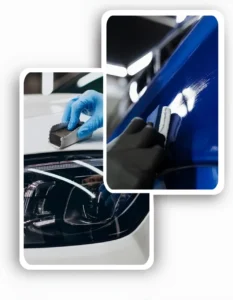
How to Apply Headlight Tint: UK Legal Requirements and Application Guide
Headlight tinting appeals to many UK drivers wanting that sleek, custom look. But there’s more to it than just slapping some film on your lights. Getting it wrong can land you with MOT failures, police stops, and safety issues.
I’ll walk you through what’s legal, what works, and what you need to know before touching your headlights.
Table of Contents
Toggle
Is Headlight Tinting Legal in the UK?
Here’s the straight answer: most headlight tints will fail your MOT. UK law requires headlights to produce specific light output levels, measured during MOT tests. Any film or coating that dims this output below the required standard means an automatic fail.
The DVSA doesn’t mess about with headlight brightness. Traffic police regularly check modified vehicles, and if your lights are too dark, you’ll face penalties or roadside prohibitions.
What happens if you get caught:
- Fixed penalty notices
- Having to remove tints immediately
- Vehicle pulled off the road until fixed
- MOT failure and retest fees
Most commercial tint products reduce light output by 20-50%, putting you well outside legal limits.
Types of Headlight Tint You'll Find
Pre-Cut Film Kits
These come shaped for specific car models. Easier to fit than universal films, but they still block too much light for UK roads. Popular brands like 3M and Avery Dennison make these, but they’re designed for markets with different regulations.
Universal Tint Sheets
Cheaper option where you cut the film yourself. Requires more skill to get clean edges and avoid bubbles. Takes patience and practice to get right.
Spray Tints
Aerosol cans that spray on like paint. Gives even coverage but you can’t control the darkness once it’s applied. Nightmare to remove if you need to pass an MOT.
Colored Vinyl Films
These create dramatic color changes – blue, red, yellow tints. Look striking but block massive amounts of light. Definitely illegal for road use in the UK.
What You Need for DIY Application
If you’re going ahead (knowing the legal risks), here’s your shopping list:
Basic Kit:
- Tint film or spray
- Hair dryer or heat gun
- Plastic squeegee
- Sharp craft knife
- Microfiber cloths
- Cleaning spray
- Masking tape
For Spray Application:
• 400-600 grit sandpaper
• Tack cloth
• Polishing compound
Work somewhere clean and dust-free. Your garage is fine if you sweep it out first.
Step-by-Step Film Application
Getting Started
Clean your headlights properly first. Use panel wipe or isopropyl alcohol to remove any wax, dirt, or oils. Even tiny bits of contamination will show up as bubbles or lifting edges later.
If you can remove the headlight units, do it. Much easier to work on a bench than crawled under the car.
Applying the Film
- Cut your film about 10mm bigger than the headlight lens all around
- Warm the film slightly with a hair dryer to make it flexible
- Position carefully starting from the top center, working outward
- Use the squeegee in overlapping strokes to push out air bubbles
- Work slowly around curves using heat to stretch the film
- Trim excess material leaving about 3mm to tuck behind the lens edge
The trick is keeping steady pressure with your squeegee while the film’s still warm and workable.
Dealing with Complex Curves
Modern headlights have complex shapes that challenge even experienced installers. For deep curves:
- Use more heat to make the film super pliable
- Work in small sections rather than trying to do it all at once
- Don’t pull too hard – you’ll thin the film and create weak spots
Spray Application Method
Spray tints need different prep work. Light sanding helps the coating stick properly.
Preparation Steps
- Clean the lens thoroughly with degreaser
- Wet sand lightly with 600-grit paper in circular motions
- Clean again to remove sanding residue
Mask surrounding areas carefully – overspray gets everywhere
Spraying Technique
Apply thin, even coats rather than trying to get coverage in one pass. Hold the can about 20cm away and use overlapping strokes.
Between coats, wait for the surface to become tacky but not fully dry. Usually 10-15 minutes depending on temperature and humidity.
Three thin coats typically give better results than one thick application.
Professional vs DIY: What’s the Difference?
DIY Reality Check
The Good: Costs less upfront, you learn something new, can do it in your own time
The Bad: Takes several attempts to get decent results, no warranty if it goes wrong, legal risks are entirely yours
Most first-time DIY attempts have visible flaws – bubbles, uneven edges, or lifting corners. You’ll probably need to redo it at least once.
Why Professionals Get Better Results
Experience counts for a lot with headlight tinting. Pros know which films work on which headlight shapes, how much heat to use, and how to handle tricky curves.
They also understand UK regulations and can suggest legal alternatives that achieve similar visual effects.
Common Mistakes That Ruin the Job
Skipping Surface Prep
Rushing the cleaning stage causes 80% of application problems. Any contamination creates lifting edges or trapped debris.
Too Much Heat
Overheating film makes it shrink and pucker. Use gentle heat and take your time.
Wrong Squeegee Pressure
Too light leaves bubbles, too heavy creates drag marks. Find the sweet spot through practice.
Ignoring Weather Conditions
High humidity or cold temperatures affect how films behave. Wait for decent conditions.
Keeping Tinted Headlights in Good Shape
Daily Care
Clean with plain water and soft cloths only. Harsh chemicals or abrasive materials damage tint films quickly.
Check edges regularly for lifting or peeling. Small problems become big ones fast.
When Things Go Wrong
If edges start lifting, heat them gently and press back down. Ignore small issues and they’ll spread across the whole lens.
Bubbles that appear later usually mean contamination under the film. You’ll need to lift that section and clean properly.
Removing Headlight Tint
When MOT time comes around, you might need to remove your tints temporarily.
Film Removal Process
- Heat the film with a hair dryer until it feels warm
- Find a corner and lift carefully with your fingernail
- Pull steadily at a 45-degree angle while maintaining heat
- Clean residue with adhesive remover
Spray Tint Removal
Much trickier than film. You’ll need paint stripper or heavy-duty solvents. Often easier to have it done professionally.
Some spray tints bond so well that removal damages the headlight lens surface.
Legal Alternatives Worth Considering
Clear Protection Films
Clear paint protection film (PPF) shields headlights from stone chips without affecting light output.
Completely legal and actually beneficial.
Anti-Yellowing Coatings
UV-resistant coatings prevent plastic headlights from going yellow over time. Keeps them looking fresh
without legal issues.
Headlight Upgrades
LED or HID conversion kits can give modern appearance while actually improving visibility. Check
compatibility with your specific vehicle.
Cost Breakdown
| Method | DIY Materials | Professional Install | Legal Status |
|---|---|---|---|
| Dark Film | £20–45 | £90–160 | Illegal |
| Spray Tint | £15–30 | £70–130 | Illegal |
| Clear PPF | £35–65 | £120–250 | Legal |
| LED Upgrade | £80–200 | £180–450 | Legal* |
| *LED upgrades must be road-legal certified units | |||
MOT and Insurance Headaches
MOT Testing Reality
Testers check headlight output with proper equipment. Dark tints will fail every time. Some test stations are stricter than others, but the regulations are clear.
Failure means paying for retest once you’ve fixed the problem. If removal damages the headlight lens, replacement costs can hit £300+ per side.
Insurance Complications
Any modification affects your insurance, even cosmetic ones. Failing to declare tints could void your policy completely.
Some insurers refuse cover for modified vehicles, others add significant premiums.
Police Enforcement Around Scotland
Traffic police know what to look for with modified cars. Around Glasgow, Strathclyde officers regularly stop vehicles with obvious modifications.
Dark headlights are easy to spot, especially at night when the reduced light output becomes obvious.
Fixed penalties for construction and use offences start at £100 plus points. Serious cases can result in court appearances.
Getting Professional Advice in Glasgow
Before modifying your headlights, talking to professionals who understand UK regulations makes sense. They can explain legal options that achieve the look you want without the legal headaches.
Quality headlight work requires proper facilities, specialized tools, and experience with different vehicle types.
Get Professional Headlight Services in Glasgow
Want to enhance your headlights while staying road legal? Auto Tint Xpert offers professional headlight protection and styling services across Glasgow that keep you compliant with UK regulations. Our team can advise on legal alternatives that give you the look you want without MOT issues. Visit https:// tintxpert.co.uk/ or contact us today for expert guidance on headlight modifications.