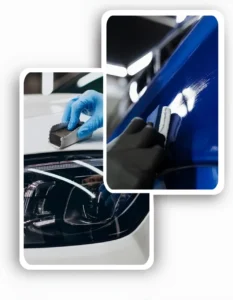
How to Remove Tint Spray from Headlights: A Complete Guide for UK Drivers
Tinted headlights might look sleek, but they can be illegal and dangerous on UK roads. If you’ve applied tint spray to your headlights and need to remove it, you’re in the right place. This guide will show you exactly how to safely remove tint spray from headlights without damaging the lens.
Table of Contents
Toggle
Why Remove Headlight Tint Spray?
Legal Requirements in the UK
In the UK, headlight tinting is heavily regulated. The Road Traffic Act requires headlights to emit white or yellow light, and any modification that reduces light output can result in:
- MOT failure
- £60 fixed penalty notice
- Points on your licence
- Insurance issues if involved in an accident
Safety Concerns
Tinted headlights reduce visibility by up to 50%, making night driving dangerous for you and other road users. Even light tinting can significantly impact your ability to see pedestrians, cyclists, and road hazards.
What You’ll Need to Remove Headlight Tint Spray
Basic Tools and Materials
- Heat gun or hair dryer
- Plastic scraper or old credit card
- Microfibre cloths
- Soapy water
- Automotive polish or compound
- Protective gloves
- Masking tape
Chemical Removers (Optional)
- Acetone or nail polish remover
- Goo Gone adhesive remover
- WD-40
- Isopropyl alcohol (70% or higher)
Step-by-Step Removal Process
Step 1: Prepare Your Workspace
Park your car in a shaded area away from direct sunlight. Clean the headlight surface with soapy water to remove dirt and debris. Mask off the surrounding paintwork with tape to prevent accidental damage.
Step 2: Apply Heat
Using a heat gun on low setting or a hair dryer, warm the tinted area for 2-3 minutes. Keep the heat source moving to avoid overheating the plastic lens. The heat will soften the tint spray, making it easier to remove.
Step 3: Start Scraping
Using a plastic scraper or old credit card, gently start peeling away the softened tint. Work from one corner and maintain consistent pressure. Never use metal tools as these will scratch the headlight lens.
Step 4: Remove Stubborn Residue
For any remaining tint or sticky residue:
- Apply a small amount of acetone to a cloth
- Gently rub the residue in circular motions
- Wipe clean with a damp cloth
- Repeat if necessary
Step 5: Clean and Polish
Once all tint is removed:
- Wash the headlight with soapy water
- Dry completely with a clean microfibre cloth
- Apply automotive polish to restore clarity
- Buff to a clear finish
Alternative Methods for Stubborn Tint
Using WD-40
Spray WD-40 onto the tinted area and let it sit for 10 minutes. The penetrating oil will help break down the adhesive, making removal easier.
Goo Gone Method
Apply Goo Gone adhesive remover and allow it to penetrate for 15 minutes before scraping. This method works well for older, well-adhered tint spray.
Professional Removal Products
Dedicated tint removal products like Rapid Remover are specifically designed for this job and often work faster than household alternatives.
Common Mistakes to Avoid
Using Metal Tools
Never use razor blades, knives, or metal scrapers on headlight lenses. Modern headlights are made from polycarbonate plastic that scratches easily.
Excessive Heat
Too much heat can warp or crack headlight lenses. Always use low heat settings and keep the heat source moving.
Harsh Chemicals
Avoid using bleach, strong acids, or abrasive compounds that can damage the lens surface or surrounding paintwork.
When to Seek Professional Help
Complex Tint Systems
If your headlights have multiple layers of tint or professional-grade film, removal can be challenging. Professional services have specialized tools and experience.
Expensive Vehicles
For high-end cars or vehicles with expensive headlight assemblies, professional removal eliminates the risk of costly damage.
Time Constraints
If you need the work done quickly for an MOT or inspection, professional services can complete the job in under an hour.
Preventing Future Issues
Legal Alternatives
Instead of tinting headlights, consider:
- HID or LED upgrades (must be road legal)
- Clear protective film to prevent stone damage
- Professional headlight restoration for cloudy lenses
Regular Maintenance
Keep headlights clean and clear for optimal performance and legal compliance. Regular polishing prevents the yellowing that often leads people to consider tinting.
Cost Considerations
| Method | Cost Range | Time Required | Difficulty |
|---|---|---|---|
| DIY Removal | £10–30 | 2–4 hours | Moderate |
| Professional Service | £50–150 | 1–2 hours | Easy |
| Replacement (if damaged) | £200–800+ | Varies | N/A |
Legal Headlight Modifications in the UK
What's Allowed
- Clear protective films
- Legal HID/LED conversions (with proper beam pattern)
Headlight restoration to original clarity
What's Prohibited
- Any tinting that reduces light output
- Coloured films or sprays
- Non-approved LED/HID conversions
Maintenance After Removal
Immediate Care
After removing tint spray, your headlights may appear slightly cloudy. This is normal and usually clears up with proper polishing.
Long-term Protection
Apply a UV-protective coating to prevent future yellowing and maintain clarity. Regular cleaning with appropriate products will keep them looking new.
Professional Services in Glasgow
If DIY removal seems too risky or time-consuming, professional services offer several advantages:
- Guaranteed results without damage
- Proper disposal of removed materials
- Additional services like polishing and protection
Time savings for busy schedules
Get Professional Help with Headlight Tint Removal
Removing tint spray from headlights can be tricky, and the wrong approach could damage expensive headlight assemblies. If you’re in Glasgow and want guaranteed results without the risk, let our experienced team handle it safely. Auto Tint Xpert offers professional headlight tint removal services that restore your lights to road-legal condition quickly and affordably. Visit tintxpert.co.uk or contact us directly to book your headlight restoration service.